




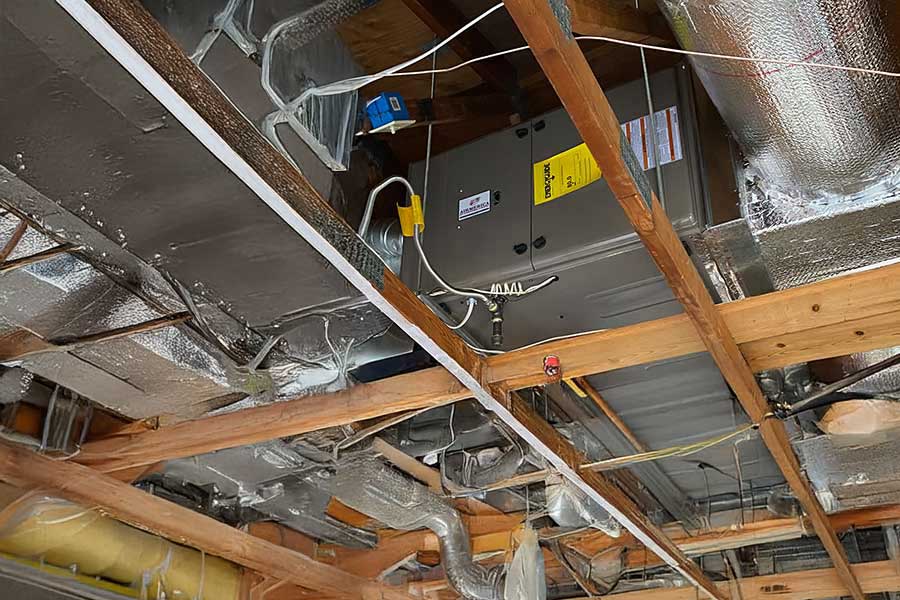
Do you know that nearly 30% of homeowners experience a furnace breakdown during winter? If you’re among them, you’ll want to pay attention to your heating system’s health before it leaves you cold. Signs like unusual noises, inconsistent heating, and rising energy bills can all indicate that your furnace requires maintenance. Ignoring these early warnings could lead to costly repairs or even a complete system failure. So, how can you identify the red flags that signal a need for attention?
Unusual Noises From the Furnace
Have you noticed any unusual noises coming from your furnace? If so, addressing them promptly is crucial, as they often indicate underlying issues. Common sounds include rattling, banging, squeaking, or hissing. Each noise can signal different problems that require your attention.
Rattling may suggest loose components that need tightening or replacement. Banging noises could indicate an ignition delay, leading to gas buildup. This is particularly dangerous and should be addressed immediately. Squeaking or squealing often points to worn-out belts or motors, affecting your furnace’s efficiency. Hissing noises might indicate a gas leak or issues with the heat exchanger, requiring urgent professional assessment.
Ignoring these sounds can lead to more significant malfunctions, increasing repair costs and compromising safety. Regular maintenance can help you catch these issues early. If you hear any unusual noises, it’s wise to consult a qualified technician who can diagnose and resolve the problem effectively. Prioritizing your furnace’s health guarantees comfort and promotes a safer home environment. Take action now to serve your family’s needs and maintain a reliable heating system.
Inconsistent Heating Throughout the Home
Unusual noises from your furnace can often accompany inconsistent heating throughout your home. If you notice certain rooms feeling colder or warmer than others, it clearly indicates that your furnace may require immediate attention. This inconsistency can stem from blocked ductwork, a malfunctioning thermostat, or an aging furnace struggling to distribute heat evenly.
First, check your vents for obstructions. Furniture or debris can prevent warm air from circulating properly. Next, inspect your thermostat settings; verify it’s functioning correctly and is placed in an appropriate location, away from drafts or heat sources. If these simple adjustments don’t resolve the issue, consider the condition of your ductwork; leaks or blockages can significantly impact performance.
Lastly, an aging furnace may not be able to heat your entire home effectively. Regular maintenance, including cleaning and inspections, can help identify and rectify these problems before they escalate. Addressing inconsistent heating enhances your comfort and optimizes your furnace’s efficiency, guaranteeing a reliable system when needed most. Don’t hesitate to consult a professional if issues persist.
Increased Energy Bills
When your energy bills start to climb unexpectedly, it’s frequently a sign that your furnace isn’t operating efficiently. This cost increase can indicate underlying issues that, if left unaddressed, may lead to more significant problems. Identifying these warning signs early is crucial to guarantee that your comfort and budget remain intact.
Consider the following factors that could contribute to higher energy bills:
- Dirty Air Filters: Clogged filters restrict airflow, forcing your furnace to work harder.
- Poor Insulation: Inadequate insulation allows heat to escape, making your furnace run longer.
- Thermostat Issues: A malfunctioning thermostat can lead to overworking your system.
- Duct Leaks: Leaky ducts lose heated air, causing the furnace to compensate and consume more energy.
- Aging Equipment: Older furnaces often lose efficiency, increasing energy consumption.
If you notice these signs, it’s time to schedule maintenance. Addressing these problems promptly will lower your energy bills, extend your furnace’s lifespan, and improve your home’s overall efficiency.
Yellow or Flickering Flame
A yellow or flickering flame in your furnace can indicate serious issues that require immediate attention. This isn’t just a cosmetic problem; it often signals incomplete combustion, which can lead to dangerous carbon monoxide production. A properly functioning furnace should produce a steady blue flame, indicating efficient fuel use and safety.
When you see a yellow or flickering flame, it’s important to inspect your furnace for potential problems. This could include dirty burners, a malfunctioning thermostat, or an issue with the gas supply. Ignoring this warning can compromise your furnace’s efficiency and put your safety at risk.
To address the issue, check the air filters; clogged filters can restrict airflow and affect combustion. If that doesn’t resolve the problem, it’s best to consult a qualified technician. They can inspect thoroughly, clean necessary components, and guarantee your furnace operates safely.
Taking prompt action when you notice a yellow or flickering flame will help maintain your furnace’s performance and protect your home. Regular maintenance can prevent these issues, guaranteeing a safe and efficient heating system.
Frequent Short Cycling
If your furnace cycles on and off frequently, it may indicate underlying issues that need addressing. Frequent short cycling compromises your comfort and can lead to increased wear and tear, ultimately resulting in costly repairs. Recognizing the signs can help you take proactive steps to maintain your system.
Here are some common causes of frequent short cycling:
- Incorrect thermostat settings: Verify your thermostat is calibrated correctly to avoid misreading the temperature.
- Oversized furnace: A unit too large for your space can heat too quickly, leading to short cycles.
- Clogged air filters: Dirty filters restrict airflow, causing the furnace to overheat and shut off prematurely.
- Faulty limit switch: This switch monitors the furnace temperature; if it’s malfunctioning, it may trigger shutdowns.
- Ductwork issues: Leaks or duct blockages can disrupt airflow, forcing the furnace to cycle erratically.
Addressing these causes promptly can enhance efficiency and prolong your furnace’s lifespan. If you notice frequent short cycling, consider contacting a professional for an inspection and maintenance service.
Dust and Dirt Accumulation
While you may not notice it immediately, dust and dirt accumulation within your furnace can significantly impact its performance and efficiency. Over time, these particles can obstruct crucial components, such as filters, blowers, and heat exchangers, reducing airflow and increasing energy consumption. When airflow is restricted, your furnace has to work harder, which can cause premature wear and tear on various parts.
To prevent these issues, it is important to conduct regular maintenance. Start by checking and replacing your air filters every one to three months, depending on usage. Dirty filters can trap dust and dirt, creating a cycle of poor performance. Additionally, consider scheduling a professional cleaning of your furnace annually. Technicians can access hard-to-reach areas and remove accumulated debris that you might overlook.
Strange Odors Emitting
Unusual odors from your furnace can signal underlying issues requiring immediate attention. Ignoring these smells might lead to serious problems down the line. Identifying the specific type of odor and its potential cause is vital. Here are some common furnace odors to watch for:
- Burning Smell: This could indicate overheating components or dust burning off.
- Gas Odor: A sulfur-like smell may suggest a gas leak, a serious safety hazard.
- Moldy or Musty Odor: Often suggests moisture accumulation, potentially leading to mold growth.
- Chemical Smell: This may indicate a refrigerant leak or other hazardous substance.
- Electrical Burning Smell: This could signal issues like short circuits or damaged wires.
If you notice any of these odors, don’t hesitate to contact a qualified technician for a thorough inspection. Addressing these concerns promptly can prevent further damage to your heating system and guarantee the safety of your home. Remember, your furnace should operate smoothly without emitting strange smells, so regular maintenance is essential to keep it functioning efficiently.
Thermostat Malfunctions
When your furnace struggles to maintain the desired temperature, it may indicate a thermostat malfunction. The thermostat acts as the brain of your heating system, communicating your temperature preferences to the furnace. If it’s not functioning correctly, you might notice inconsistent heating, where some rooms feel markedly warmer or colder than others.
Check for common issues like incorrect settings or dead batteries in battery-operated thermostats. Sometimes, simply recalibrating the thermostat can resolve discrepancies in temperature readings. If you’ve already replaced the batteries and verified the settings are correct, the issue may lie in the wiring or the thermostat’s internal components.
Another indicator of a malfunctioning thermostat is short cycling. If your furnace frequently turns on and off without reaching the desired temperature, it’s time to investigate the thermostat. Additionally, an outdated or incompatible thermostat may struggle to communicate effectively with modern heating systems, leading to inefficiencies.
Humidity Issues Indoors
If you’ve noticed excessive moisture on your windows or a musty odor in your home, you might be dealing with humidity issues indoors. High humidity can lead to discomfort and health risks, making it vital to address these problems promptly. A well-functioning furnace plays an essential role in regulating indoor humidity levels. If your furnace isn’t performing at its best, here are some signs you might be experiencing humidity issues:
- Mold growth in corners or on walls
- Persistent condensation on surfaces
- Increased allergy symptoms among household members
- Damp spots on ceilings or walls
- Warping of wooden furniture or flooring
These symptoms indicate that your home’s humidity levels may be too high, potentially leading to structural damage and health concerns. You should consider scheduling maintenance for your furnace to guarantee it’s effectively managing humidity. This may involve cleaning or replacing filters, checking the humidifier, or even evaluating ductwork for leaks. By addressing humidity issues, you enhance comfort and protect your home and your family’s health. Remember, proactive maintenance is key to preventing more significant problems.
Age of the Furnace
Humidity issues often point to underlying problems with your heating system, particularly if your furnace is aging. Typically, furnaces last about 15 to 20 years, depending on usage and maintenance. If yours is approaching or has surpassed this age, evaluating its performance is essential. An aging furnace might struggle to maintain consistent temperatures, leading to uneven heating and increased humidity levels in your home.
You should also watch for unusual noises, frequent cycling, or rising energy bills, indicating that your furnace is working harder than necessary. These signs often mean it’s time for a professional assessment. Regular maintenance can extend the lifespan of your furnace, but as components wear out, the system becomes less efficient.
Consider scheduling a maintenance check if your furnace is older and showing signs of decline. A technician can identify potential issues and suggest repairs or upgrades. Investing in maintenance now can prevent unexpected breakdowns later, ensuring your home remains comfortable during colder months. Remember, addressing these issues promptly serves your needs and promotes energy efficiency and safety in your home.
Conclusion
To summarize, paying attention to your furnace’s warning signs can save you from unexpected breakdowns and costly repairs. Remember, “an ounce of prevention is worth a pound of cure.” Regular maintenance not only enhances efficiency but also prolongs the lifespan of your system. Don’t hesitate to contact a professional if you notice unusual noises, inconsistent heating, or other issues. Staying proactive now guarantees a warm, comfortable home when needed most.
Frequently Asked Questions
How Often Should I Schedule Furnace Maintenance?
You should schedule furnace maintenance at least once a year before the heating season starts. This proactive approach helps guarantee peak performance, increases efficiency, and reduces the risk of unexpected breakdowns during cold months.
Can I Perform Maintenance Tasks Myself?
You can perform basic maintenance tasks like changing filters and checking blockages. However, for more complex issues, it’s best to consult a professional to guarantee your furnace operates safely and efficiently.
What Are the Benefits of Regular Furnace Maintenance?
Regular furnace maintenance boosts efficiency, prolongs lifespan, and enhances safety. It also reduces energy costs, prevents unexpected breakdowns, and guarantees peak performance. Staying proactive helps you serve others by providing a consistent, comfortable environment.
How Do I Choose a Reliable Furnace Technician?
To choose a reliable furnace technician, check their certifications, read customer reviews, and ask about warranties. Make certain they’re experienced with your furnace type and provide clear estimates. Trust your instincts when evaluating their professionalism and communication skills.
What Should I Do in an Emergency Furnace Situation?
If your furnace stops working during a freezing night, check the thermostat and circuit breaker. If it’s still unresponsive, call a certified technician immediately to avoid further damage and guarantee your home stays warm.